

Cockatoos are among the most intelligent, affectionate, and visually striking birds in the parrot family. Their expressive crests, playful personalities, and emotional depth have made them highly sought-after as companion animals. Yet, keeping a cockatoo is not a simple matter of purchasing a pet—they require attention, time, and knowledge.
Many prospective owners ask, “Are cockatoos good pets?” In this guide we will discuss all about cockatoos that you need to know before choosing these birds as pets.
From exploring their history, health, care requirements, and ultimately weighing the key pros and cons of life with these exceptional but demanding companions, you will know everything here.
A cockatoo bird is a type of parrot belonging to the family Cacatuidae. They have 21 parrot species ranging from citron to umbrella cockatoos.
Are Cockatoos Good Pets? The Honest Truth
Normally, Cockatoos are good pets for experienced owners. But it also depends entirely on what you are looking for in a pet.
Cockatoos can be excellent pets for people who want a deeply affectionate, bonded companion. If you have plenty of time each day to interact, can tolerate loud vocalizations, are prepared for a long-term commitment, understand the behavioral needs of parrots and you have enough financial stability for regular vet visits and high-quality food.
But cockatoos may NOT be good pets for people who:
- Prefer a quiet home
- Travel often or work long hours
- Want a low-maintenance pet
- Are easily irritated by mess or noise
- Have no prior experience with birds or parrots
Let’s break down the most important factors.
Cockatoo Temperament: Affectionate but Demanding
Cockatoos are often called the “love sponges” of the parrot world. They thrive on physical affection, cuddling, and constant attention. Unlike more independent parrots like macaws or African greys, cockatoos form very strong bonds with their owners.
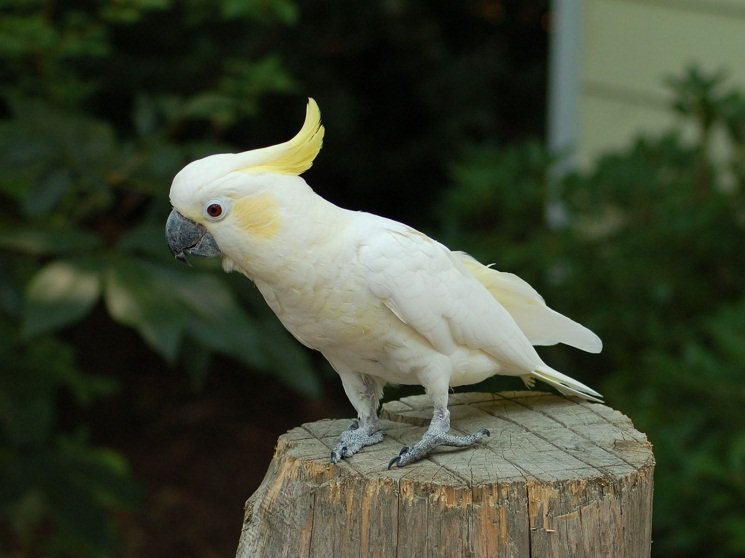
An available Sulphur-Crested Cockatoo for Sale
Pros & Cons of Cockatoo Personality
If you want a cuddly companion who loves interacting, cockatoos are perfect. But if you’re busy or prefer an independent pet, they may not be right for you.
Cockatoo Intelligence: Smart, Playful, and Curious
Cockatoos are remarkably intelligent. They can learn tricks, mimic words, solve puzzles, unlock cages, understand routines, and even manipulate objects with impressive skill. They are very easy to train using positive reinforcement, enjoy learning new tricks, stay mentally stimulated with toys and games and bond through interactive activities.
However, this high intelligence is a double-edged sword. Cockatoos can get bored very easily, which leads them to destructive behavior. To manage their destructive behavior they need new bird toys frequently and enrichment like foraging activities, climbing areas, and puzzle toys.
If you don’t provide mental stimulation, cockatoos will find their own entertainment—often in the form of chewing furniture or screaming loudly.
Cockatoo Noise Level: Be Prepared for Loud Calls
One of the most important questions is: Are cockatoos loud?
Yes—extremely.
Cockatoos produce some of the loudest calls in the parrot world. Their natural shrieks can reach 120+ decibels, equal to a rock concert or a jet engine from close range.
They vocalize to:
- Call their flock (you or family members)
- Express excitement
- Seek attention
- Show boredom
- Communicate danger
Because of this, cockatoos are not suitable for apartments, shared living spaces, noise-sensitive neighbors and people with low sound tolerance. The noise alone makes many people rehome cockatoos.
Cockatoo Lifespan: A Lifetime Commitment
Cockatoos have a very long life, which makes them a serious commitment. They can live 20 to 40 years in the wild and 40 to 70 years in captivity with proper care and maintenance. Owning a cockatoo is like taking on a lifelong companion—many outlive their owners. This long lifespan is one of the biggest reasons they end up in rescues.
An available Citron Cockatoo for sale

Taking Care of a Cockatoo
Taking care of a cockatoo is a multifaceted responsibility. A successful owner must focus on housing, diet, enrichment, socialization, and veterinary care.
1) Housing: Cockatoos require large, sturdy cages (minimum 36” x 28” x 60”) with space to climb, chew, and exercise. Cages should include perches, swings, ropes, and natural wood toys. Sturdy construction is critical, as strong-beaked cockatoos can easily break weak latches.
2) Diet: A balanced diet is essential for health and behavior. Fresh vegetables (60–70%) should make up the bulk of the diet, with fruits, high-quality pellets, and occasional nuts supplementing. Avoid chocolate, avocado, caffeine, alcohol, or salty foods, as these are toxic to parrots.
3) Enrichment: Mental stimulation is critical for intelligent cockatoos. Puzzle feeders, foraging toys, and daily training sessions help prevent destructive behaviors such as feather plucking and screaming.
4) Social Interaction: Cockatoos require 3-6 hours of attention each day. Without interaction, they may develop anxiety, depression, or aggression.
5) Veterinary Care: Routine check-ups with an avian vet are essential. Birds can develop nutritional deficiencies, respiratory infections, or behavioral issues if health is neglected.
Common Cockatoo Behavioral Issues
Cockatoos can exhibit complex behaviors, especially if their needs aren’t met.
Feather Plucking
One of the most heartbreaking problems. It is caused by loneliness, stress, boredom, improper diet, lack of sleep, health issues. Cockatoos are the most notorious feather pluckers in the parrot world.
Screaming
A natural flock behavior, but it becomes excessive when they’re bored, need attention, feel scared or insecure or are left alone for a long time.
Aggression
Cockatoos can bite hard, especially during hormonal periods or if they feel threatened.
Destructiveness
They love chewing, climbing, and shredding. Your furniture may be a target if they aren’t supervised.
Popular Types of Cockatoos
Cockatoos come in 21 parrot species, each with unique characteristics. Here are the most popular:
Price of Cockatoos
The price of a Cockatoo can vary dramatically, ranging from a few hundred dollars for common species to over ten thousand dollars for rare ones.
The cost is heavily dependent on the species and the source (breeder vs. adoption). Some ethical breeders like CAExoticssBirds offer a very reasonable price. The Cockatoos prices are between $800-$2500 depending on species and age.
Maintenance Cost
Cockatoos have a high annual maintenance cost, reflecting their intelligence and size. Owners must budget approximately $500 to over $1,000+ per year for essentials. This covers a steady supply of new, destructible toys (often $50+ monthly), a diet of high-quality pellets and fresh produce ($20–$50 monthly for food), and mandatory annual avian vet checkups ($100–$200 minimum), excluding any potential emergency medical expenses.
Frequently Asked Questions:
The Final Verdict: Are You Ready for a Cockatoo?
Cockatoos can be wonderful pets for owners who can meet their social, emotional, and physical needs. They are affectionate, intelligent, and playful, making them engaging companions. However, they are not suitable for beginners or casual pet owners.
Cockatoos are also one of the most challenging parrots to care for.
They require:
- Daily interaction
- Mental stimulation
- A quiet sleep environment
- Large cage space
- Training and routines
- A healthy diet
- Emotional attention
Families may consider species like Bare-Eyed or Galah Cockatoos, while experienced owners can enjoy larger species such as Moluccan or Umbrella Cockatoos. Understanding how to take care of a cockatoo, their maintenance cost is essential before ownership.
With proper care, a cockatoo can provide decades of joy, companionship, and emotional connection—making them one of the most rewarding birds to keep as a pet.